End-of-Line or Multi-Line Palletising?
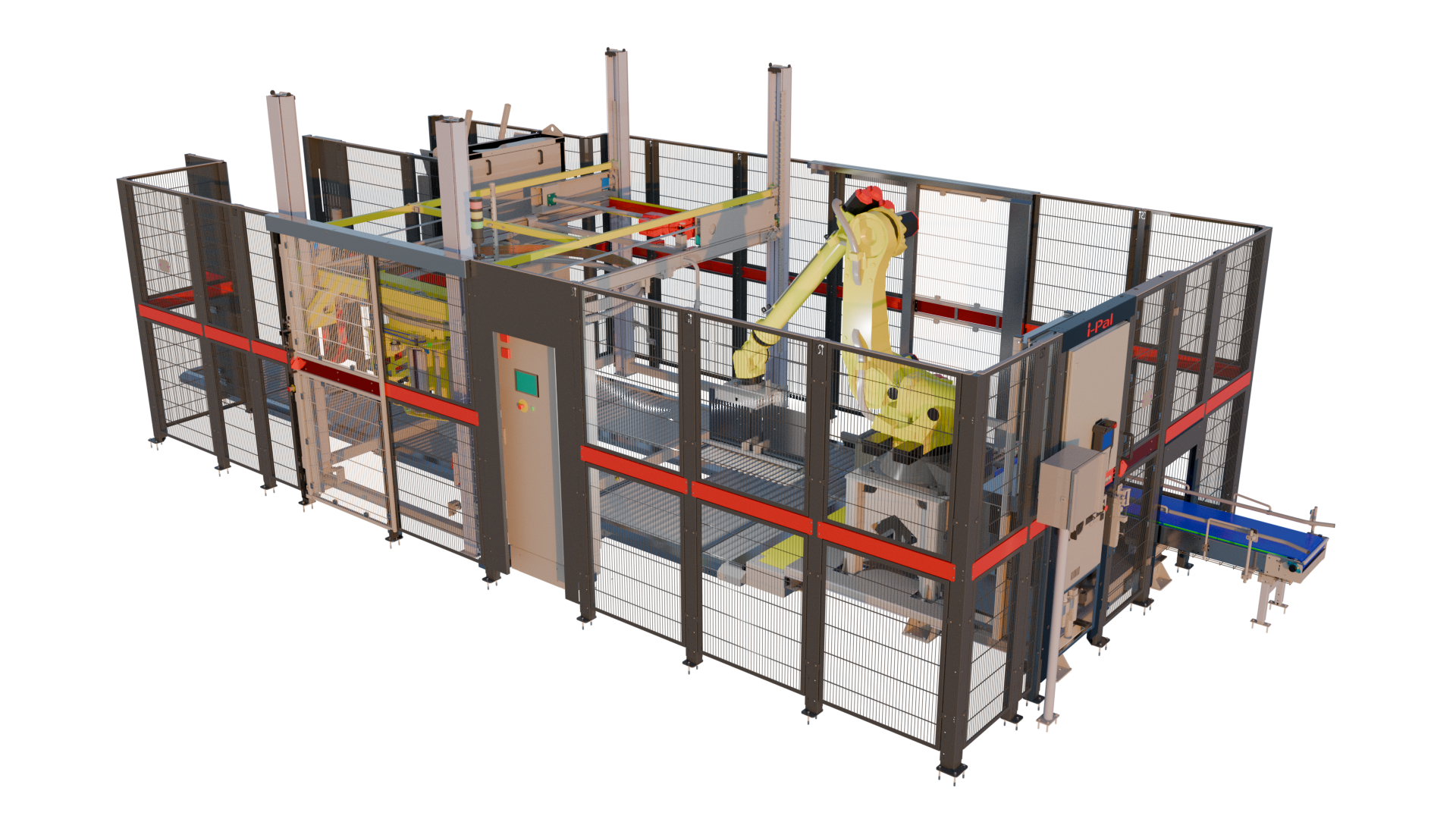
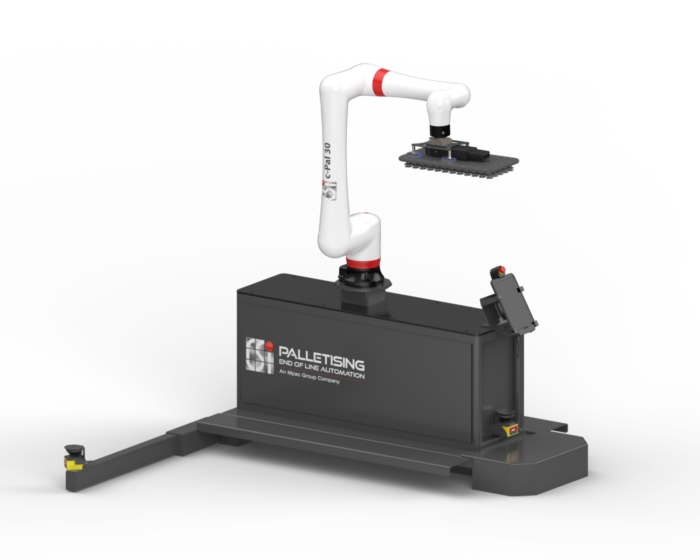
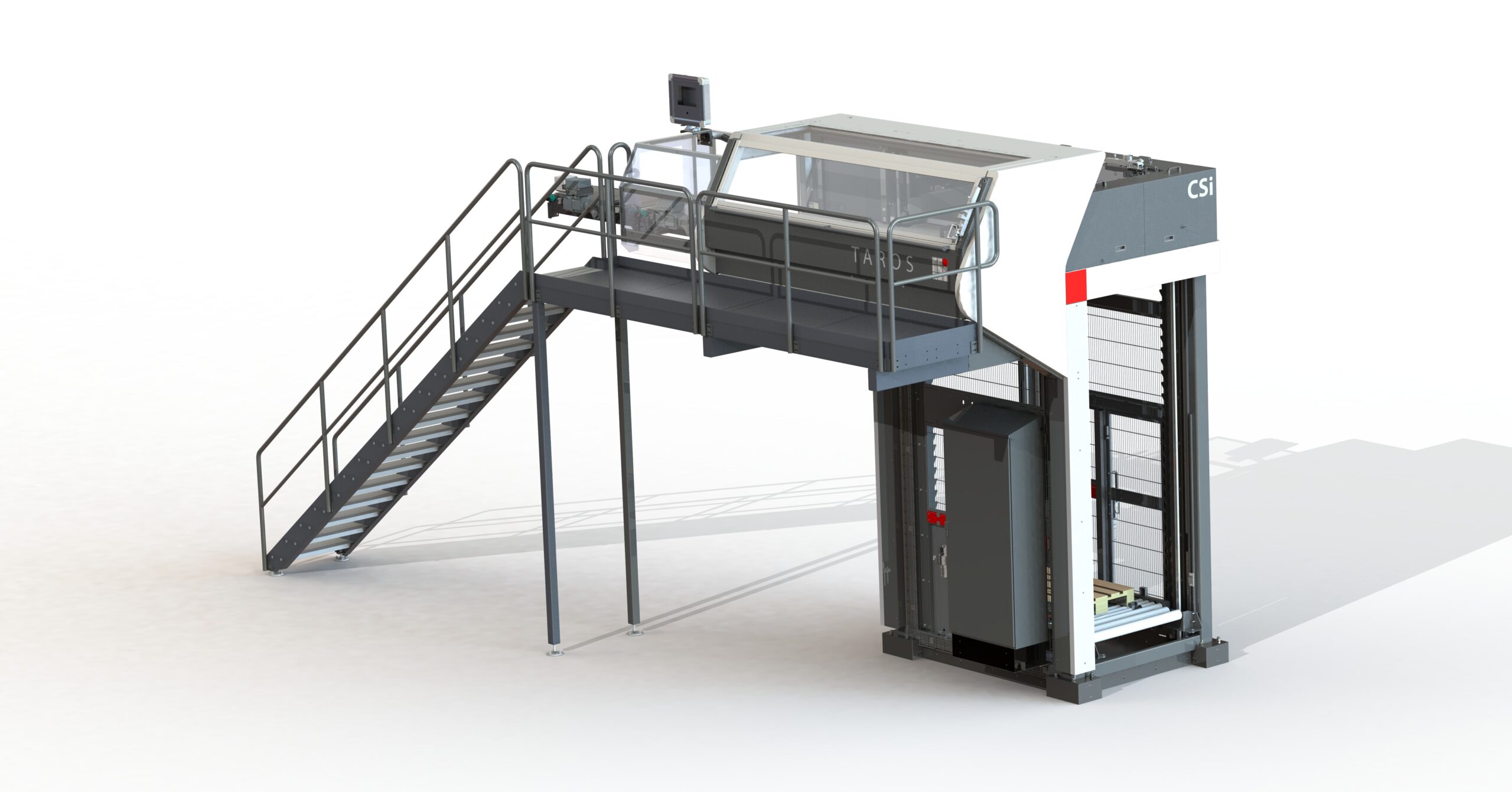
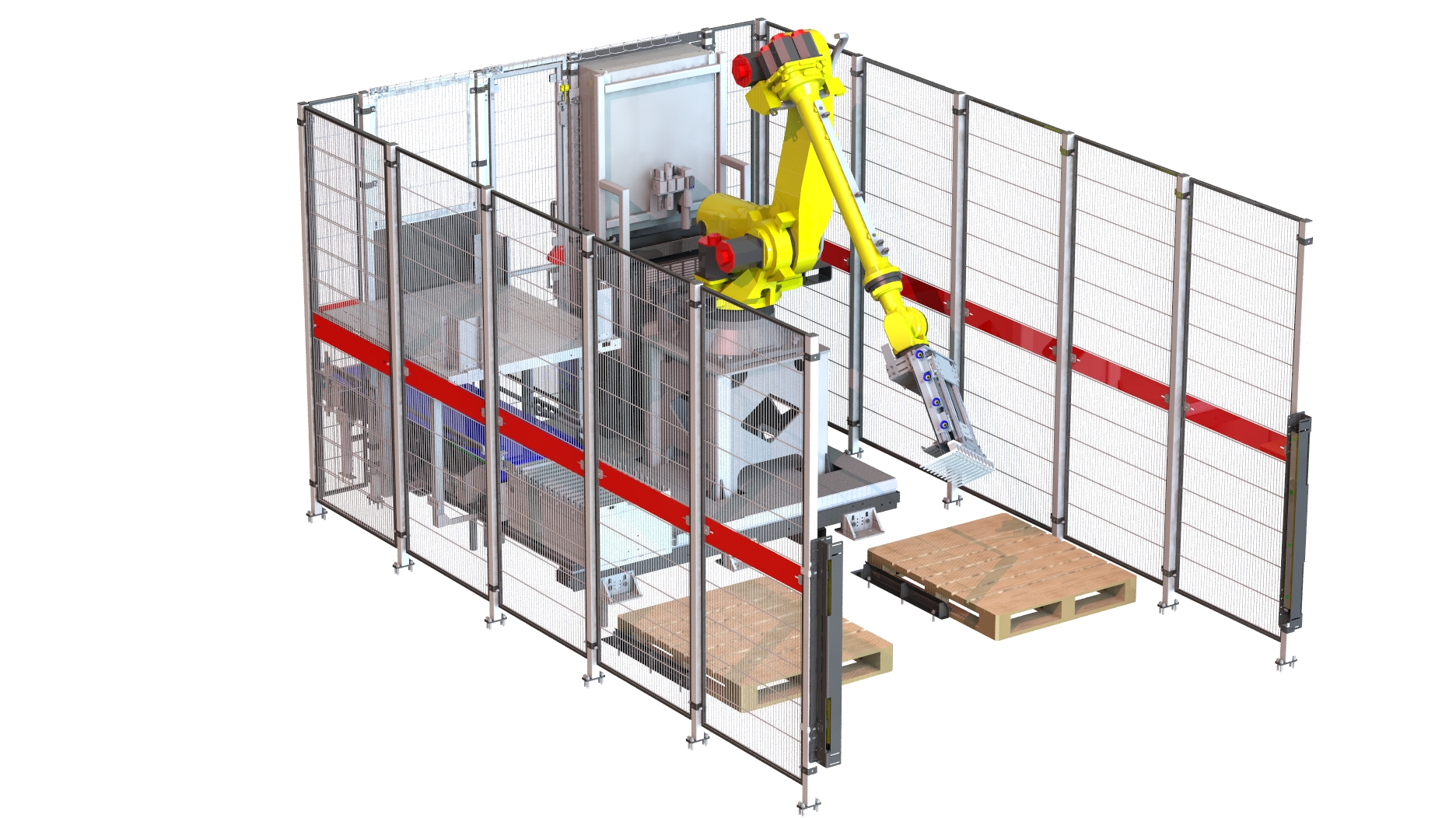
End-of-Line palletising systems offer the highest levels of production availability, as any stoppages experienced on one machine will only affect one line. End-of-line machines also tend to be simple in design and construction and therefore offer the most reliable and generally the least expensive palletising solutions. However, space constraints and production line access limitations can in some cases prohibit the use of this type of arrangement, so alternative arrangements must be considered.
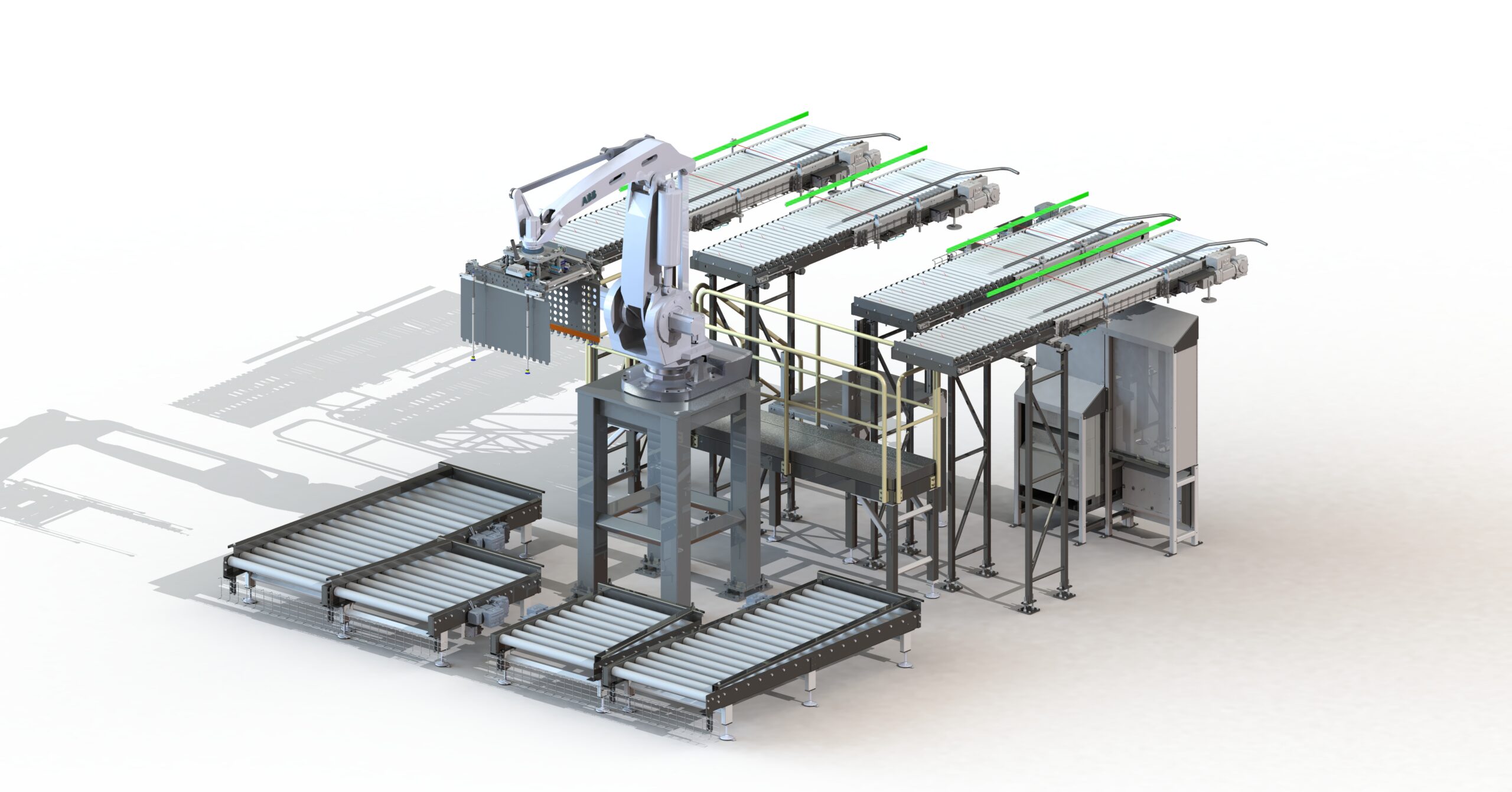
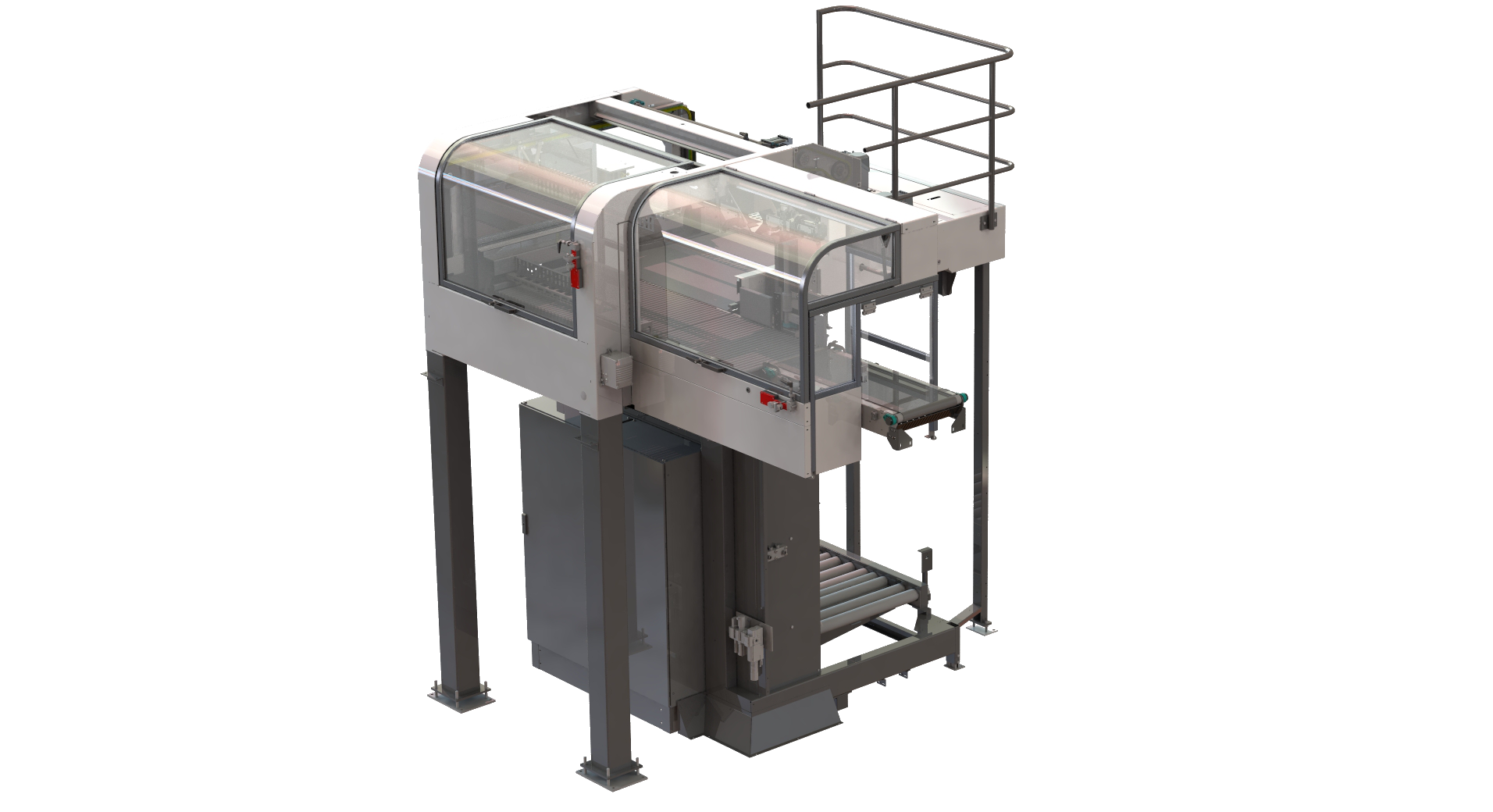
Multi Load systems are designed to accumulate and palletise a range of products from a number of production lines and consist of dedicated buffer lanes, each lane being at least the length of a complete pallet load, and a number of high-speed palletisers. Buffer lane lengths are designed to accumulate the product that creates the longest continuous length of product when touching, case-to-case. High-speed palletisers then palletise each lane of product, one after another, as each buffer lane reaches the required number of cases to form one complete pallet load.